
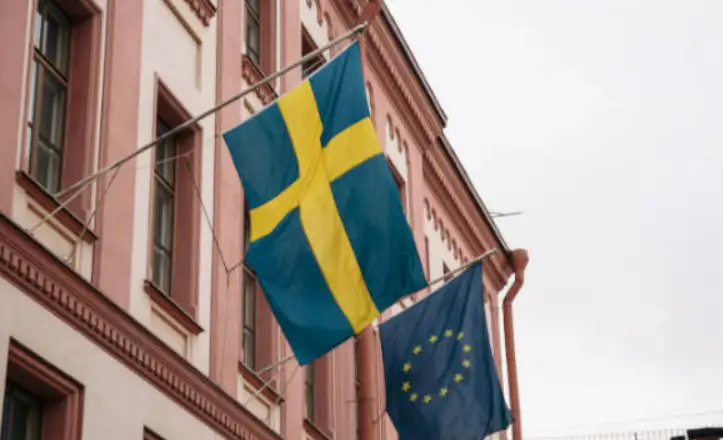
(AsiaGameHub) – According to a new report commissioned by BOS, the Swedish Trade Association for Online Gambling, problem gambling rates in Sweden have dropped over the past two decades, even as online gambling has grown more accessible and been more widely marketed. The report was authored by economist Ola Nevander, who relied on the Problem Gambling Severity Index, or PGSI, to track shifts in rates over time.
Good to Know
- The proportion of Swedish adults categorized as problem gamblers fell from 2.2% in 2008-09 to 1.3% in 2021.
- This amounts to roughly 57,000 fewer problem gamblers, a 35% overall decrease.
- As of March 2026, Sweden’s national self-exclusion system Spelpaus counted around 136,000 registered users.
Problem Gambling Rates Fall in Sweden Even As Online Gambling Grows
The report confirms that the overall rate of problem gambling among adult Swedes has declined over time, while the broader group of at-risk gamblers has also shrunk. The share of people with a PGSI score of 3 or higher fell from 2.2% to 1.3% between 2008-09 and 2021. The total number of at-risk gamblers, defined as people with a PGSI score of 1 or higher, dropped by an estimated 200,000 over the same period.
Among adults who gambled online in the year before surveys were conducted, the decline was even sharper. Problem gambling rates in this group fell from 12% in 2008-09 to around 4% averaged across the four years from 2018 to 2021. At the same time, gambling activity itself has not declined in popularity. A separate survey cited in the report found that 18% of Swedes played online casino games in 2025, while 24% placed online wagers.
The report puts this downward trend in the context of a much larger, expanded gambling market. Inflation-adjusted spending on gambling marketing grew roughly nine times between 2000 and 2024. The number of available online casino games increased more than tenfold between the mid-2000s and 2019. Internet and smartphone access also became nearly universal across Sweden by 2020. Even with all these changes, severe problem gambling rates stayed relatively stable, ranging between 0.3% and 0.6% of the population across the years studied.
A key focus of the report is channelisation, which measures how much gambling activity occurs through licensed operators rather than unlicensed offshore sites. BOS says Sweden’s overall channelisation rate is currently around 85%, though the rate for online casino is slightly lower. The report argues that higher channelisation makes it easier to implement consumer protections such as duty of care requirements, self-exclusion tools, and data-based monitoring. It also compared Sweden to neighboring markets, noting channelisation rates of 91.5% in Norway and 91% in Denmark, while Finland’s rate was far lower at 48% before its upcoming licensing changes.
Spelpaus also receives significant attention in the report. The national self-exclusion register had around 136,000 users in March 2026, equal to 1.6% of Sweden’s adult population. Even so, the report notes that survey data and helpline records indicate around half of self-excluded users still gamble, most often through unlicensed sites.
On the topic of treatment and prevention, the report says machine learning tools built around transaction data look promising for identifying risky gambling behavior, though long-term outcomes still require more testing. CBT has shown clearer positive results. The report said: “Meta-analyses show that CBT can reduce the scale of gambling, gambling frequency and addiction symptoms when compared with control groups.” Sweden re-regulated online gambling in 2019, introducing a licensing system with defined responsibilities for operators, and the report suggests this framework has helped build a stronger foundation for reducing gambling-related harm.
This article is provided by a third-party. AsiaGameHub (https://asiagamehub.com/) makes no warranties regarding its content.
AsiaGameHub delivers targeted distribution for iGaming, Casino, and eSports, connecting 3,000+ premium Asian media outlets and 80,000+ specialized influencers across ASEAN.